What Is Drayage? A Plain-English Guide for Shippers
Drayage is the short-haul trucking that connects the ocean to the rest of your supply chain. Here's what it is, how it works, and why it matters more than its short distance suggests.
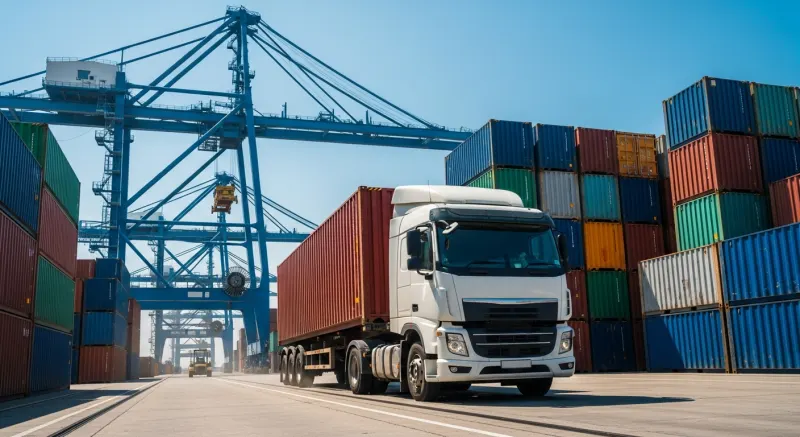
Drayage is the short-distance trucking of an ocean shipping container between a seaport, a rail ramp, a warehouse or a container yard. It is usually measured in miles, not hundreds of miles — but it is the hinge that everything else in the supply chain swings on. If the drayage move doesn't happen on time, the long-haul truck, the warehouse crew and the retail shelf all wait.
The word comes from "dray," an old term for a cart used to haul heavy loads a short way. Today the cart is a diesel or clean-idle tractor pulling a chassis, and the load is a 20ft, 40ft or 45ft intermodal container fresh off a vessel.
Where drayage fits in the supply chain
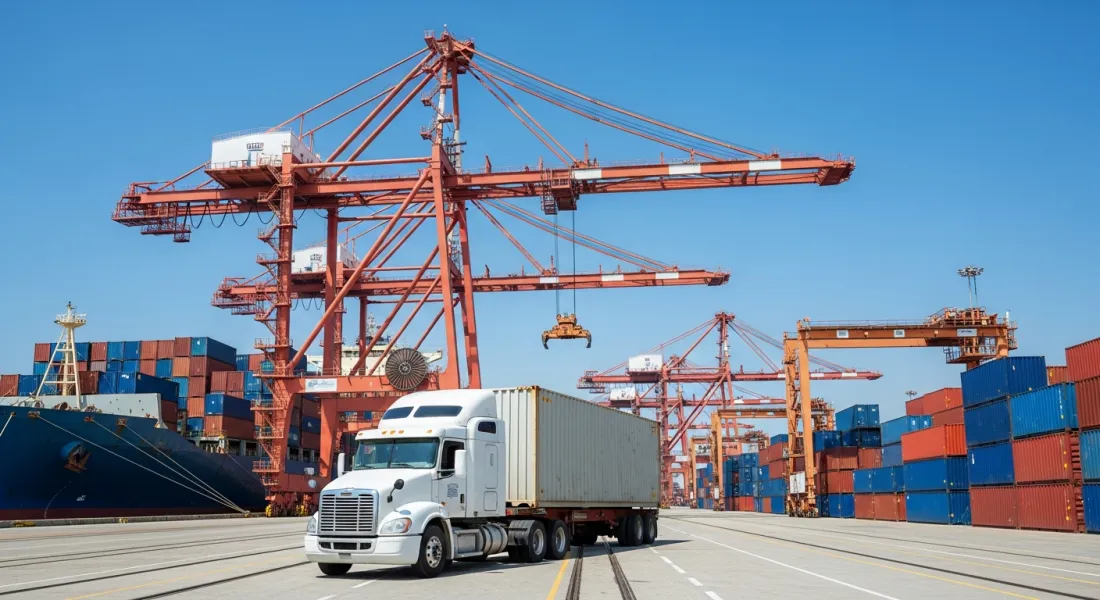
Picture the journey of an imported container. It crosses the ocean on a vessel, is lifted off at a marine terminal, and then has to get to wherever your cargo is actually needed. That first move off the docks — from the terminal to a warehouse, distribution center or rail yard — is drayage. It is often called the "first mile" of inland transportation, and it is the most time-sensitive mile because the clock on terminal free time starts the moment the container is available.
Drayage also happens on the way out: returning an empty container to the terminal, repositioning equipment, or shuttling a loaded box to a rail ramp so it can continue inland by train.
The main types of drayage
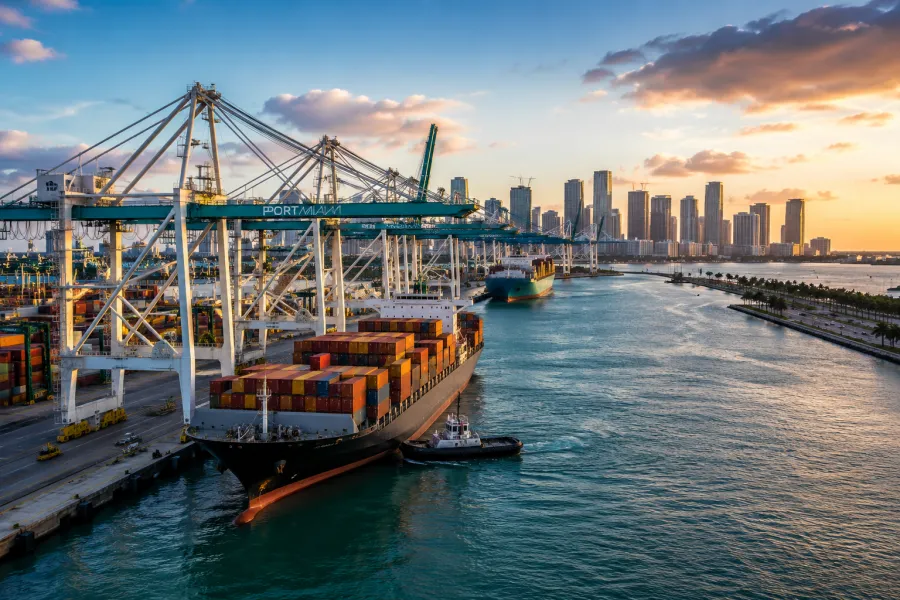
- Port drayage — moving containers between the marine terminal and a nearby destination. This is the bread-and-butter move at PortMiami and Port Tampa Bay.
- Intermodal drayage — connecting the port or a warehouse to a rail ramp, so freight can travel long distances by train and only use trucks for the short ends.
- Shuttle drayage — relocating containers from a congested terminal to a nearby yard when there isn't room to keep them dockside.
- Expedited drayage — priority moves for time-critical freight or containers approaching the end of their free time.
Specialized freight adds its own drayage lanes too: standard container drayage is the baseline, but hazmat, overweight and refrigerated (reefer) containers each need certified drivers and the right equipment.
Who needs drayage?
Anyone whose goods arrive or leave by ocean container. That includes importers and exporters, freight brokers arranging the inland leg for their customers, and third-party logistics providers (3PLs) coordinating the whole chain. If you have a container sitting at a Florida terminal and need it at your dock, you need a drayage carrier.
Drayage is short in distance but long in consequences — a missed appointment or a slow empty return can cost far more than the move itself.
How a drayage move actually works
The mechanics are consistent whether the container lands in Miami or Tampa:
- Booking and appointment. The carrier receives the container number, terminal and delivery address, then secures a terminal appointment for pickup.
- Gate and pull. A driver holding a valid TWIC (Transportation Worker Identification Credential) enters the terminal, is matched with the right chassis, and pulls the container through the gate.
- Delivery. The container is delivered "live" — held while your team unloads — or dropped so you can unload on your own schedule and picked up later.
- Empty return. The empty container and chassis go back to the terminal or pool promptly, which is what keeps per diem and detention charges down.
Drayage at PortMiami & Port Tampa Bay
OnTrak is a licensed, insured, hazmat-certified drayage carrier based in Doral, Florida, running dedicated teams at both major Florida container gateways. At PortMiami, our Doral base keeps trucks close to the terminals for fast turn times across Miami-Dade. At Port Tampa Bay, a dedicated team covers the Tampa Bay region and the growing distribution corridor around Lakeland and Plant City. Both ports run on appointments, free-time windows and chassis availability — so the value of a good drayage carrier is measured in how well it manages those three things.
Rates depend on distance, equipment, wait time and accessorials rather than a single flat number, so the most reliable way to know your cost is to request a quote with your specific container and destination. Our dispatch team will walk you through the plan and the price before anything moves.
Ready to move your freight?
Tell us the container, terminal and lane — OnTrak dispatch responds fast, every time.